The cost of stock trading depends on several factors, such as the type of broker, the size of the trade, the frequency of trading, and the services offered by the broker. Here are some general points to consider:There are two main types of brokers: full-service brokers and online brokers. Full-servi
Oct 25 (Reuters) - A look at the day ahead in Asian markets from Jamie McGeever, financial markets columnist.Good news was good newson Tuesday, as another surprisingly strongsnapshot of U.S. business ...
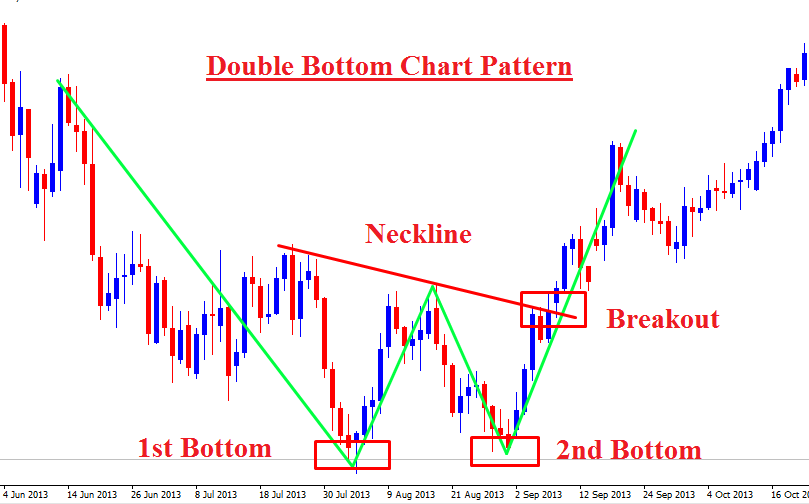
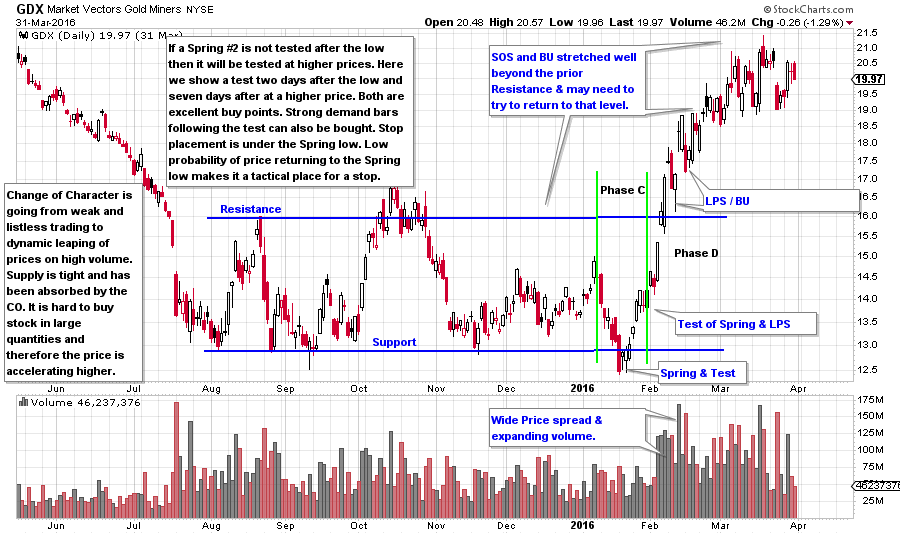
A classic bottom form of a stock is a chart pattern that indicates a reversal of a downtrend and the start of an uptrend. There are several types of classic bottom forms, such as:Double bottom: This pattern resembles the letter W, where the price falls to a low, rebounds, falls again to a similar lo
There are many methods for analyzing stocks, but some of the truly simple and effective ones are:Fundamental analysis: This method focuses on the financial performance, growth prospects, competitive advantage, and valuation of a company. It uses data from sources such as financial statements, earnin
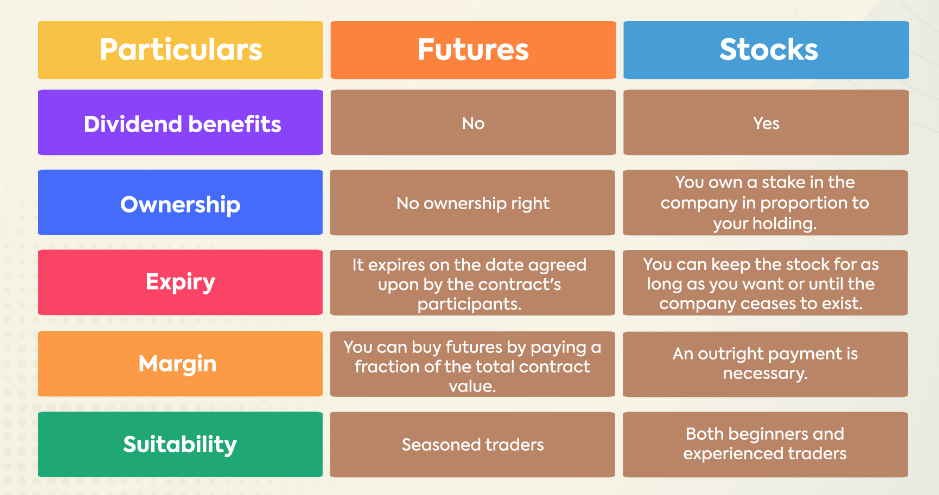
Futures and stocks are different types of financial assets that have different characteristics, risks, and rewards. Here are some of the main differences between them:Futures are contracts that oblige the buyer and seller to exchange an asset at a predetermined price and date in the future. Stocks a
The core points of choosing stock purchase entry are the key factors and criteria that can help investors and traders decide when and how to buy stocks that have the potential to increase in value. Different methods and strategies may have different core points, but some of the common ones are:The t
Stock investment is one of the most challenging and competitive industries in the world, as it requires a high level of skill, knowledge, discipline, and luck to succeed. According to the web search results I found, some of the reasons why stock investment is so difficult are:The market is highly ef
A value for money ratio is a measure of how much value a stock offers relative to its price. One way to calculate this ratio is to divide the earnings per share (EPS) by the price per share (PPS). The higher the ratio, the more value the stock provides for each dollar invested.Based on this formula,
Choosing a good stock among so many stocks is not an easy task. There is no single formula or strategy that can guarantee success. Different investors may have different goals, risk preferences, and investment styles. However, there are some general principles and guidelines that can help you narrow