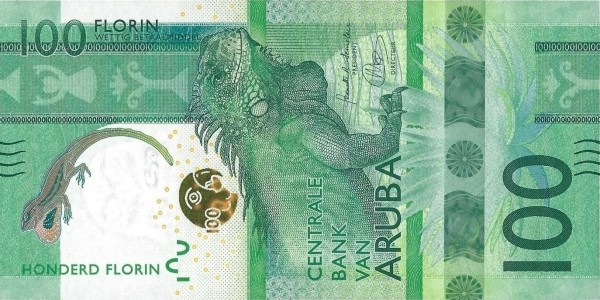
Aruban or Dutch Guilder2019AWG1002019AWG102019AWG2002019AWG252003AWG5002019AWG50
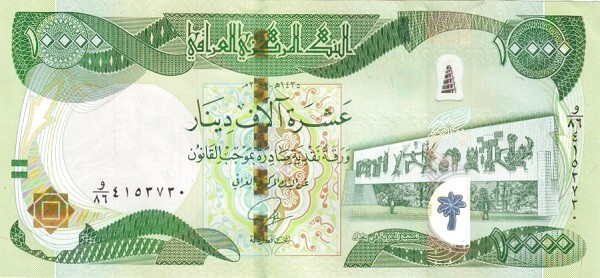
Iraqi Dinar2013IQD100002013IQD10002013IQD250002013IQD2502015IQD500002013IQD50002013IQD500
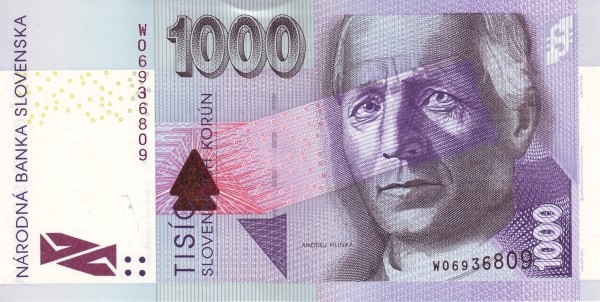
The Slovak Koruna, also known as the Slovak crown (SKK), was the official currency of Slovakia from 1993 until its adoption of the euro in 2009. It was introduced after the dissolution of Czechoslovakia and served as an independent currency for the newly formed Slovak Republic.
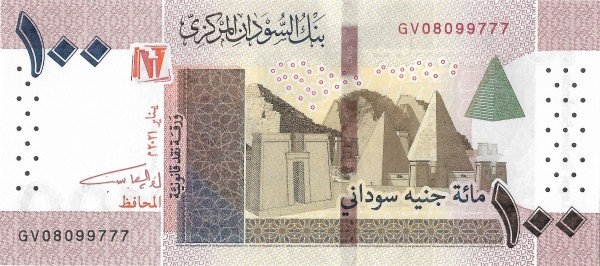
The Sudanese Pound is the official currency of Sudan. It was introduced in 2007, replacing the Sudanese Dinar. The currency is issued by the Central Bank of Sudan and is denoted by the symbol "SDG". The Sudanese Pound is subdivided into 100 piasters. The Sudanese Pound has undergone various changes in its value over the years. In recent times, it has faced significant depreciation due to economic challenges faced by the country. This has led to inflation and a decrease in the purchasin
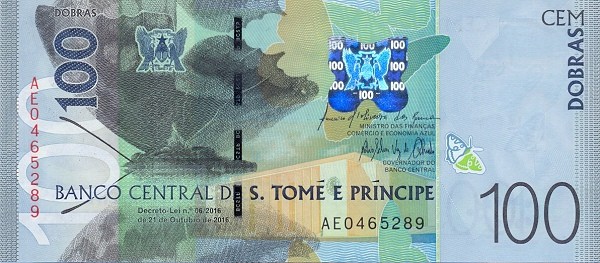
The Sao Tomean Dobra is the official currency of Sao Tome and Principe, a small island nation located in the Gulf of Guinea, off the western coast of Africa. Introduced in 1977, the Dobra is named after the Portuguese word for "doubloon," a type of gold coin. The currency is denoted by the symbol "Db" and is subdivided into 100 centimos. The Dobra has undergone several changes throughout its history. Initially, it was pegged to the Portuguese escudo at a 1:1 ratio. However, d
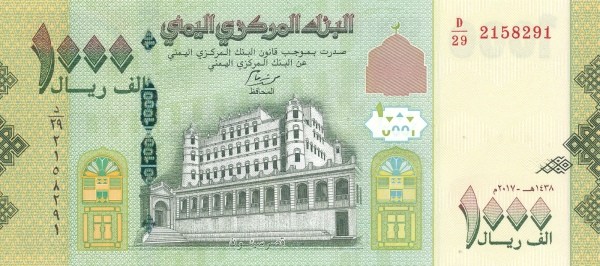
Yemeni Rial2017YER10001993YER1002018YER2002009YER2502017YER5001994YER50
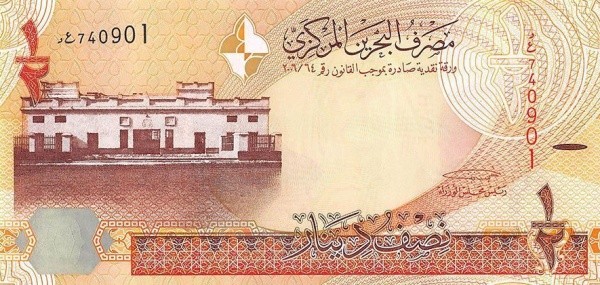
Bahraini Dinar2016BHD0-52016BHD102016BHD12016BHD202016BHD5
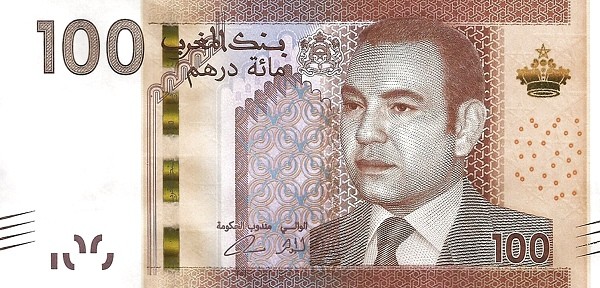
Moroccan Dirham2013MAD1002013MAD2002013MAD202013MAD50
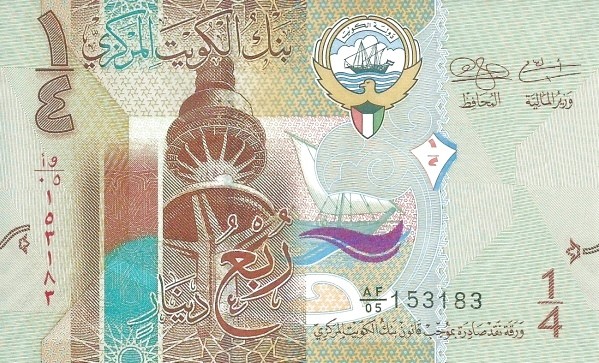
Kuwaiti Dinar2014KWD0-252014KWD0-52014KWD102014KWD12014KWD202015KWD5