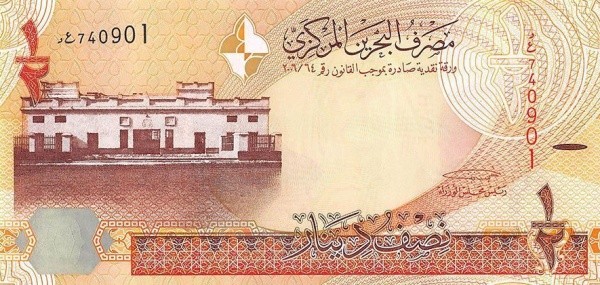
Bahraini Dinar2016BHD0-52016BHD102016BHD12016BHD202016BHD5
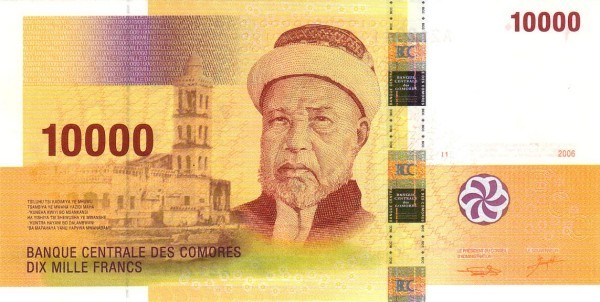
The Comorian Franc is the official currency of the Comoros, a small island nation located in the Indian Ocean. It was introduced in 1981 to replace the French Franc, which had been in use since the country's colonial period. The currency is issued by the Central Bank of the Comoros and is available in both paper and coin form. The exchange rate of the Comorian Franc is determined by market forces and is subject to fluctuations. While the currency has faced some challenges in the past, such
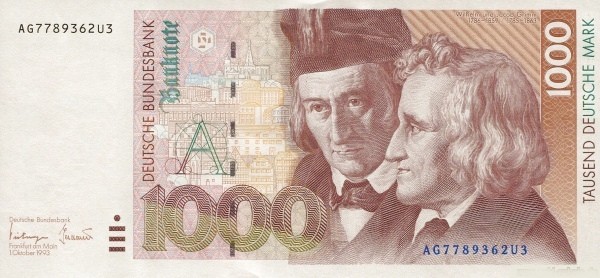
The Deutsche Mark was the official currency of Germany from 1948 until it was replaced by the Euro in 2002. It was one of the most stable and powerful currencies in the world, and played a significant role in the country's post-war economic recovery. The Deutsche Mark was also widely used as a reserve currency and was considered a safe haven during times of economic uncertainty. Its success was due to the strict monetary policies of the German government and the independence of the country&
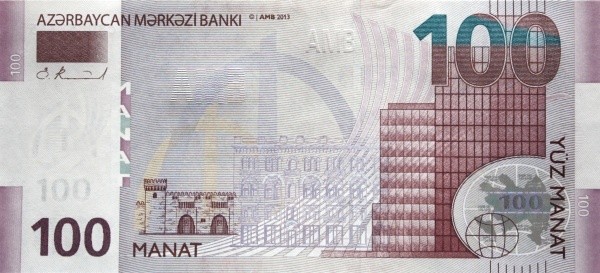
The Azerbaijan Manat is the official currency of Azerbaijan. It was introduced in 1992, replacing the Soviet ruble. The currency is issued by the Central Bank of Azerbaijan and is denoted by the symbol "₼". The Azerbaijan Manat is subdivided into 100 qəpik. Banknotes are available in denominations of 1, 5, 10, 20, 50, and 100 manat, while coins are available in denominations of 1, 3, 5, 10, 20, and 50 qəpik.The currency's value is determined by various factors, including the count
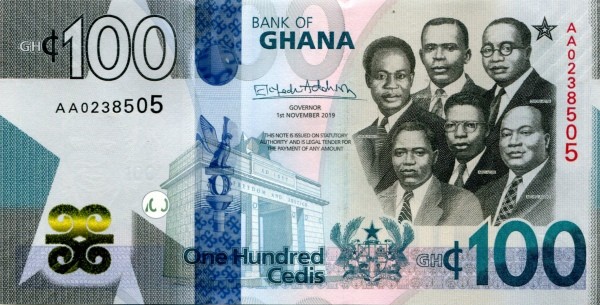
The Ghanaian Cedi is the official currency of Ghana, a country located in West Africa. It is denoted by the symbol "₵" and is subdivided into 100 pesewas. The currency has been in circulation since 1965, replacing the Ghanaian pound at a rate of 1 pound to 2.4 cedis.The Ghanaian Cedi is issued by the Bank of Ghana, the country's central bank, and is widely accepted as a medium of exchange within Ghana. It is available in both banknotes and coins, with denominations ranging from 1
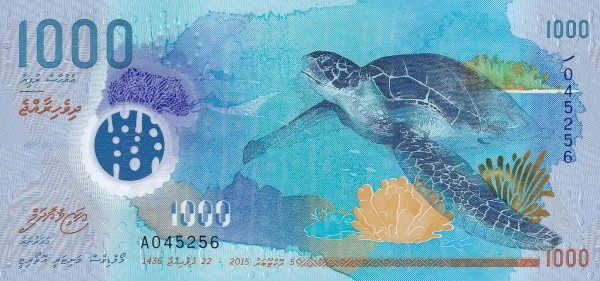
Maldivian Rufiyaa2015MVR10002015MVR1002015MVR102015MVR202015MVR5002015MVR502017MVR5
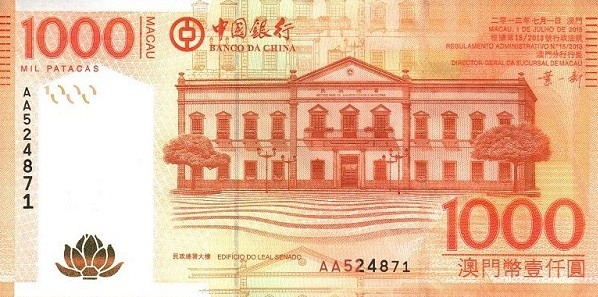
Macau Pataca2013MOP10002013MOP1002013MOP102013MOP202008MOP5002013MOP50
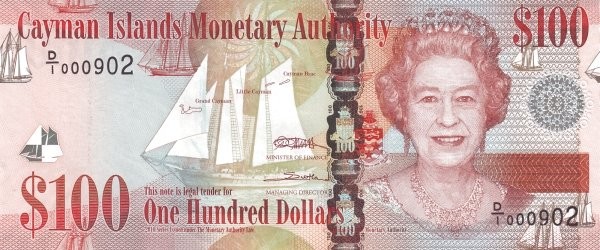
Caymanian Dollar2010KYD1002010KYD102010KYD12010KYD252010KYD502010KYD5
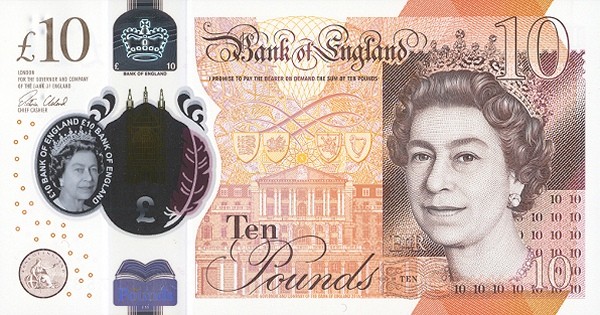
The British Pound is the official currency of the United Kingdom and its Crown dependencies and British Overseas Territories. It is also used by some other countries as a reserve or a foreign currency. It is the oldest currency in the world that is still used as legal tender, and the fo