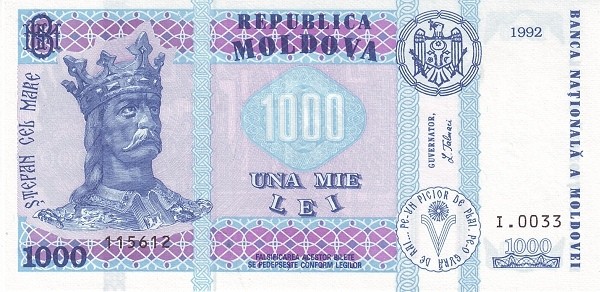
Moldovan Leu1992MDL10002015MDL1002015MDL102015MDL12015MDL2002015MDL202015MDL5002013MDL502015MDL5
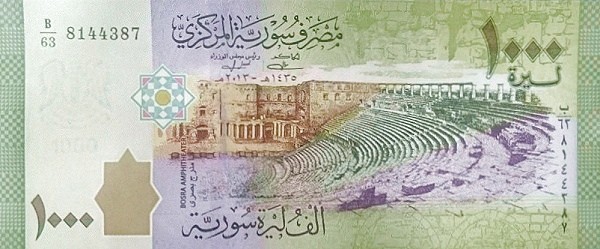
Syrian Pound2013SYP10002009SYP1002018SYP20002009SYP2002019SYP50002013SYP5002009SYP50
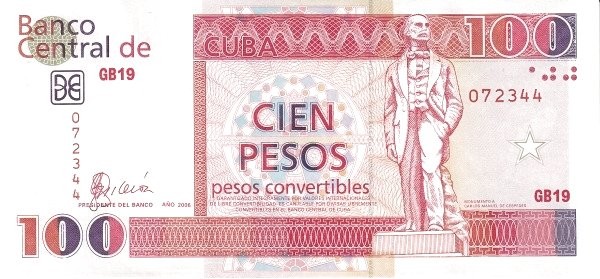
Cuban Convertible Peso2006CUC1002013CUC102017CUC12008CUC202016CUC32011CUC502017CUC5
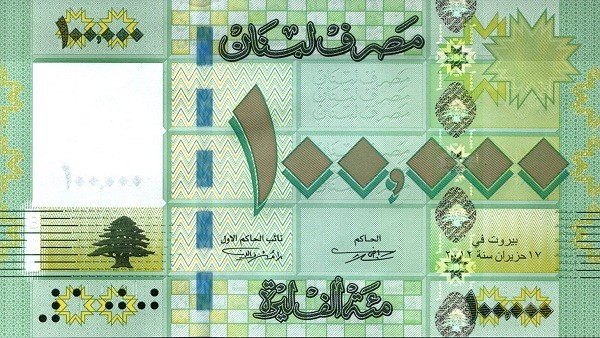
Lebanese Pound2016LBP1000002014LBP100002016LBP10002014LBP200002016LBP500002014LBP5000
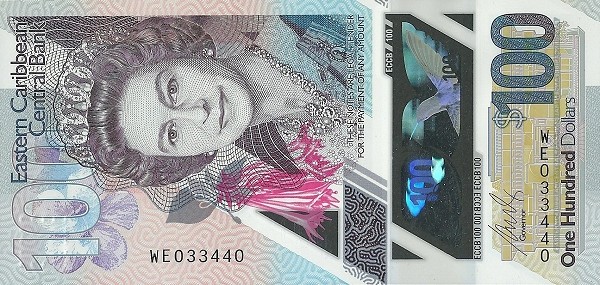
East Caribbean Dollar2019XCD1002019XCD102019XCD202019XCD502021XCD5
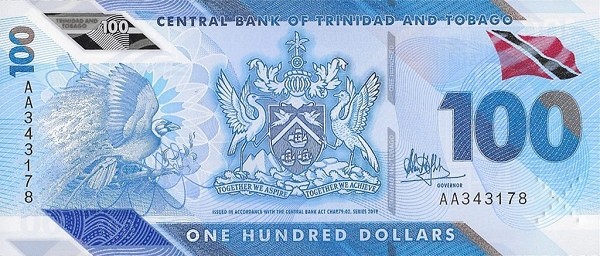
Trinidad & Tobago Dollar2019TTD1002020TTD102020TTD12020TTD202020TTD502020TTD5
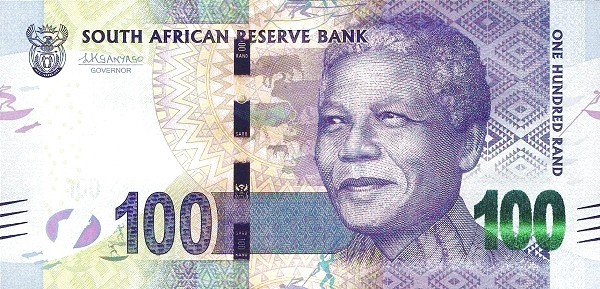
South African Rand2016ZAR1002016ZAR102016ZAR2002012ZAR202016ZAR50
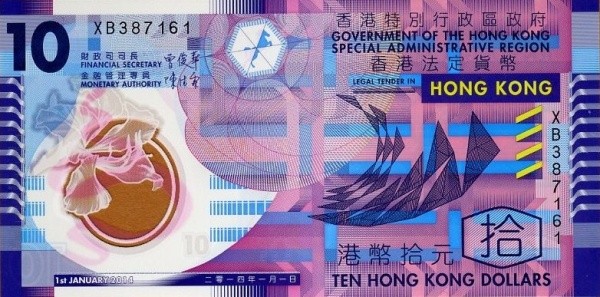
The Hong Kong dollar is the official currency of the Hong Kong Special Administrative Region. It is subdivided into 100 cents or 1000 mils. The Hong Kong Monetary Authority is the monetary authority of Hong Kong and the Hong Kong dollar.The Hong Kong dollar is the ninth-most traded c
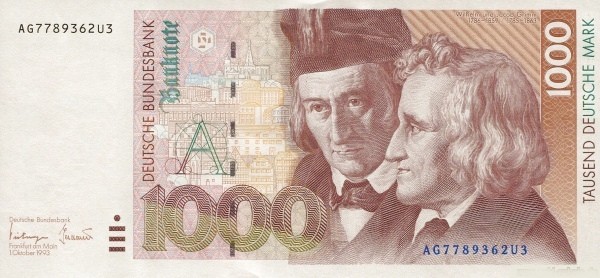
The Deutsche Mark was the official currency of Germany from 1948 until it was replaced by the Euro in 2002. It was one of the most stable and powerful currencies in the world, and played a significant role in the country's post-war economic recovery. The Deutsche Mark was also widely used as a reserve currency and was considered a safe haven during times of economic uncertainty. Its success was due to the strict monetary policies of the German government and the independence of the country&