Seychellois Rupee2016SCR1002013SCR102016SCR252016SCR5002016SCR50
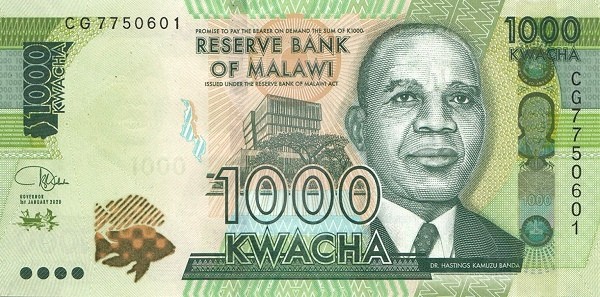
Malawian Kwacha2020MWK10002020MWK1002020MWK20002020MWK2002019MWK202017MWK5002020MWK50
Estonian Kroon2007EEK1002007EEK101992EEK12007EEK252007EEK22007EEK5001994EEK501994EEK5
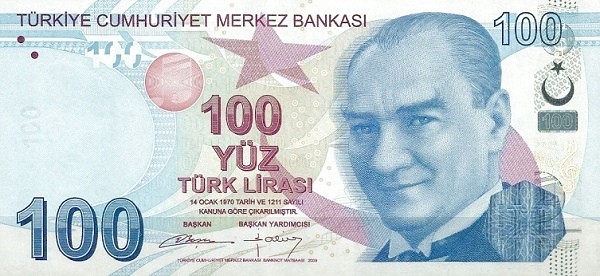
Turkish Lira2009TRY1002009TRY102009TRY2002009TRY202009TRY502009TRY5
Czech Koruna2008CZK10001997CZK1002007CZK20001998CZK2002009CZK50002009CZK500
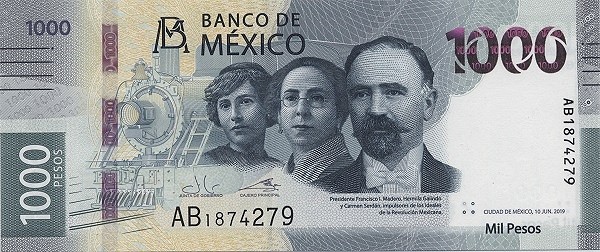
Mexican Peso2019MXN10002020MXN1002018MXN2002017MXN202017MXN5002012MXN50
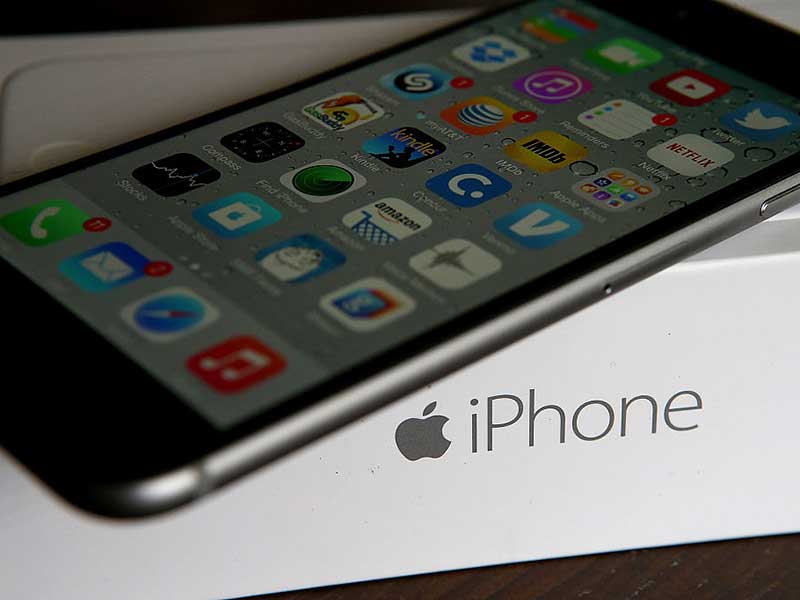
The FAS has ruled Apple fixed prices on the majority of its latest smartphonesLegal|StrategyAuthor:Kim DarrahTop 5Top 5 forces that will shape international finance in 2023Top 5 female-fronted fintech...
There is no definitive answer to what is the most important factor in making big money from stock investment, as different investors may have different opinions, preferences, and strategies. However, some common factors that many experts and successful investors agree on are:Patience: Stock investin
Spot and futures markets are two different ways of trading various assets, such as commodities, currencies, indices, and stocks. They have some similarities, but also some key differences that traders should be aware of. Here are some of the main differences and links between spot and futures market