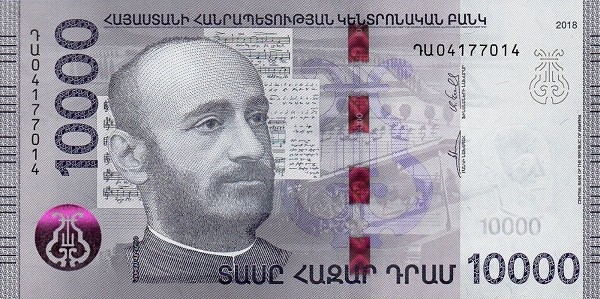
Armenian Dram2018AMD100002018AMD10002018AMD200002018AMD20002018AMD500002018AMD5000
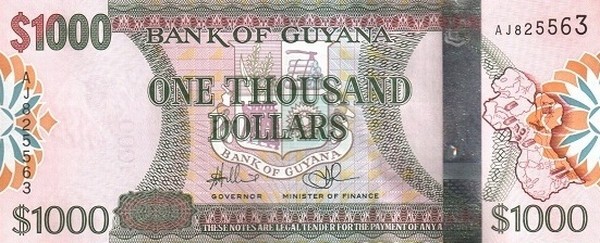
Guyanese Dollar2009GYD10002016GYD1002016GYD202011GYD50002011GYD500
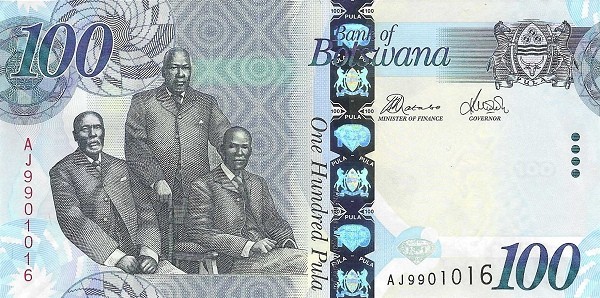
Botswana Pula2016BWP1002020BWP102016BWP2002019BWP202016BWP50
Spot and futures markets are two different ways of trading various assets, such as commodities, currencies, indices, and stocks. They have some similarities, but also some key differences that traders should be aware of. Here are some of the main differences and links between spot and futures market
International commodities are goods or raw materials that are traded across borders and have a global market. They are usually standardized and interchangeable, meaning that they have the same quality and characteristics regardless of their origin or destination. International commodities can be cla
Green finance is the provision of financial services and products that support the transition to a low-carbon, sustainable, and resilient economy. Green finance can help address the challenges and opportunities of climate change, environmental degradation, and natural resource depletion, by mo
The Impact of Economic Trends on Employment in 2024IntroductionEconomic Indicator AnalysisIndustry-specific AnalysisJob Market PredictionsSkills in DemandJob Market ChallengesConclusionIntroductionThe year 2024 is expected to witness significant changes in the global economy, which will inevitably i
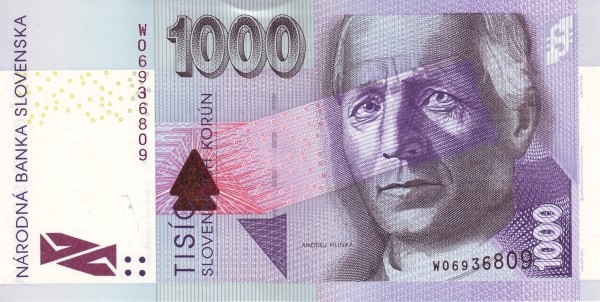
The Slovak Koruna, also known as the Slovak crown (SKK), was the official currency of Slovakia from 1993 until its adoption of the euro in 2009. It was introduced after the dissolution of Czechoslovakia and served as an independent currency for the newly formed Slovak Republic.
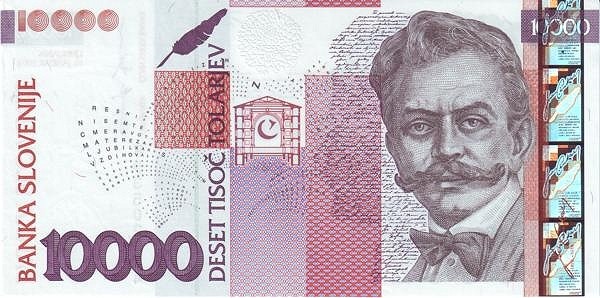
The Slovenian Tolar was the official currency of Slovenia from 1991 until 2007 when it was replaced by the Euro. The Tolar was introduced as a temporary currency after Slovenia declared its independence from Yugoslavia in 1991. However, it quickly became the official currency of the country and remained so until the adoption of the Euro.