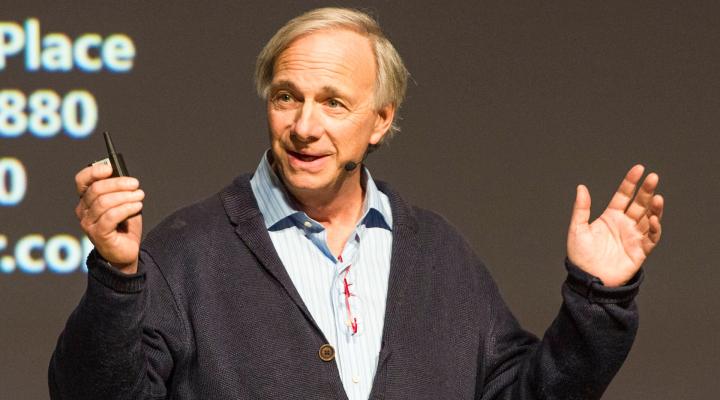
Ray Dalio is the billionaire founder of the world’s largest hedge fund. While perhaps not a household name to the degree of Warren Buffett, Dalio is greatly respected within the industry, and when he ...
Financial innovation and the development of financial markets are closely related concepts that have important implications for the economy and society.Financial innovation refers to the creation of new financial products, services, or processes that improve the efficiency, effectiveness
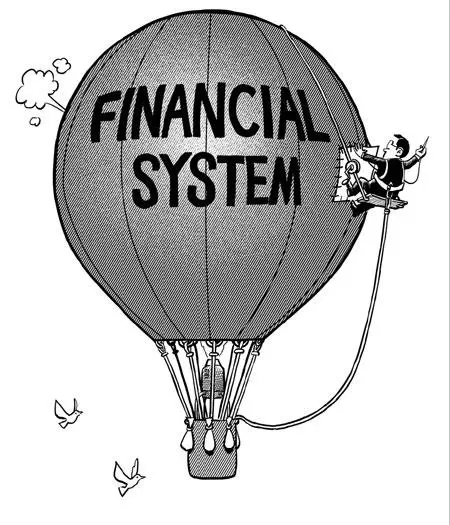
Financial regulatory reform is a complex and important topic that has been the subject of much debate and analysis since the global financial crisis of 2007-2009. There are many lessons that can be learned from the experience of the United States, which enacted the Dodd-Frank Act in 2010 as a
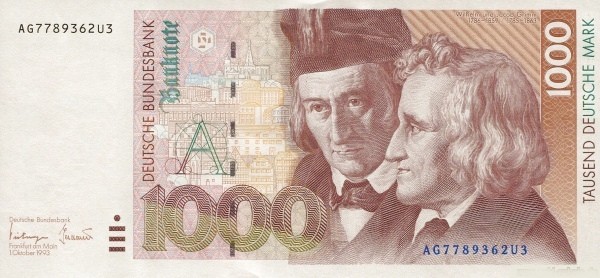
The Deutsche Mark was the official currency of Germany from 1948 until it was replaced by the Euro in 2002. It was one of the most stable and powerful currencies in the world, and played a significant role in the country's post-war economic recovery. The Deutsche Mark was also widely used as a reserve currency and was considered a safe haven during times of economic uncertainty. Its success was due to the strict monetary policies of the German government and the independence of the country&
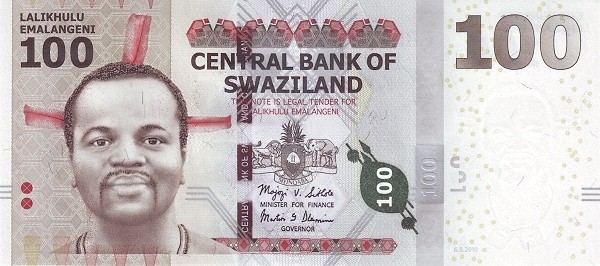
Swazi Lilangeni2010SZL1002014SZL102018SZL2002014SZL202018SZL50
Gambian Dalasi2015GMD1002015GMD102015GMD2002015GMD202015GMD502015GMD5
The Omani Rial is the official currency of Oman. It is denoted by the symbol "﷼" and is subdivided into 1000 baisa. The Omani Rial is issued and regulated by the Central Bank of Oman.One notable aspect of the Omani Rial is its stability. The currency has been pegged to the United States Dollar since 1986, with an exchange rate of 1 Omani Rial equal to 2.60 USD. This pegging has helped to maintain a consistent and reliable value for the Omani Rial, which has contributed to Oman's e
Japanese Yen2004JPY100002004JPY10002000JPY20002004JPY5000
Syndicated lending is a type of financing in which a group of lenders provides funds to a borrower, usually a corporation or a government entity. This type of lending is often used for large-scale projects and acquisitions, as it allows the borrower to access a larger pool of capital than they would