There are several general laws that govern the operation of the stock market in the United States and other countries. These laws are designed to protect investors, ensure fair and efficient markets, and prevent fraud and manipulation. Some of the most important laws are:The Securities Act of 1933,
Corporate investment behavior refers to the actions and decisions made by companies when it comes to allocating their financial resources towards various investment opportunities. It encompasses the strategies, patterns, and choices that companies make in order to maximize their returns and achieve
The impact of interest rate marketization on corporate financing structure is a topic that has been studied by many researchers. Interest rate marketization refers to the process of allowing the market forces to determine the interest rates, rather than the government intervention. Interest ra
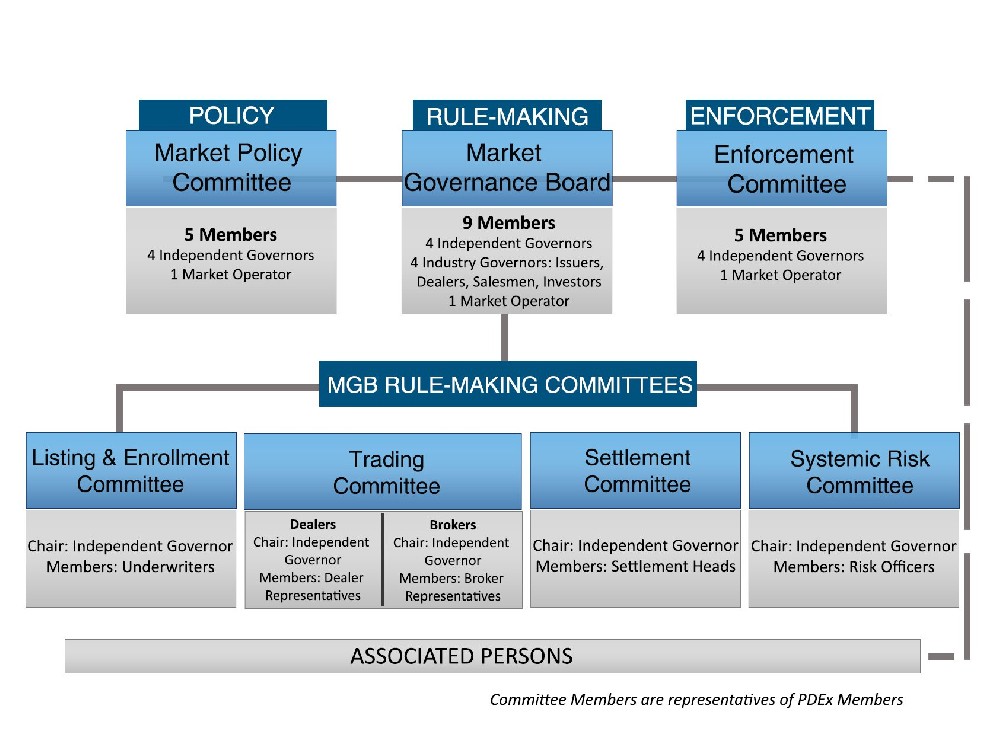
Governance and regulation of financial institutions is a topic that involves the principles, rules, and practices that guide and oversee the conduct and performance of financial institutions, such as banks, insurance companies, and other entities that provide financial services. Governance and
The Singapore stock market started the week on a positive note, as the Straits Times Index (STI) rose 0.4% to close at 3,246.77 points on Monday, January 8, 2024. The STI was boosted by gains in the banking, real estate, and consumer sectors, as well as optimism over the global economic recovery and
Blockchain finance and traditional finance are two different ways of managing and facilitating financial transactions. Blockchain finance is based on decentralized systems that use cryptography and distributed ledger technology to secure and verify transactions, while traditional finance is based on
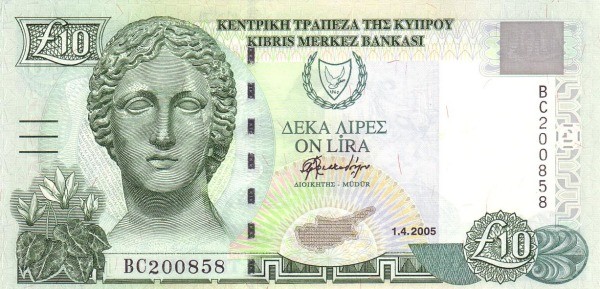
The Cypriot Pound was the official currency of Cyprus until it was replaced by the Euro in 2008. Its history dates back to 1879 when it was introduced by the British colonial authorities. Over the years, the Cypriot Pound underwent several changes, including a devaluation in 1964 due to political instability. Despite this, it remained a stable currency until the country's entry into the European Union in 2004, which paved the way for its eventual replacement by the Euro. Today, the Cypriot
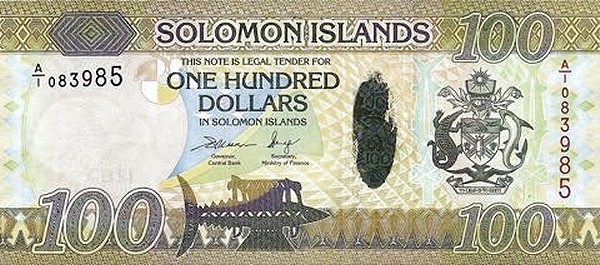
Solomon Islander Dollar2015SBD1002017SBD102017SBD202011SBD22017SBD502019SBD5
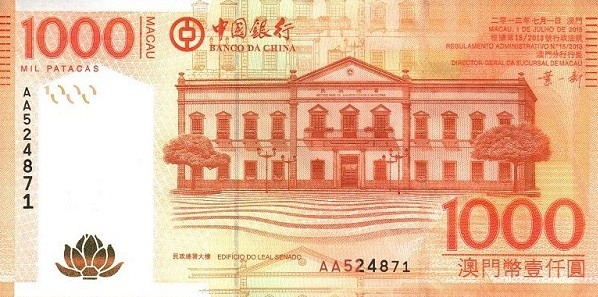
Macau Pataca2013MOP10002013MOP1002013MOP102013MOP202008MOP5002013MOP50