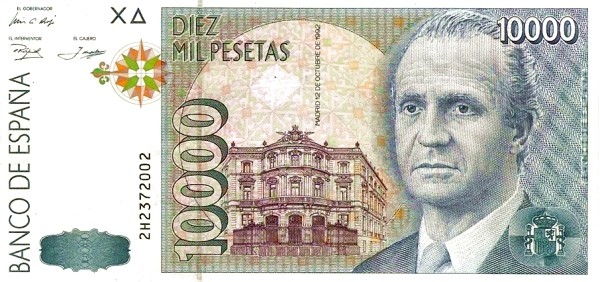
The Spanish Peseta was the official currency of Spain from 1869 to 2002. It was introduced as a replacement for the Spanish Real and remained in circulation for over a century. The Peseta was divided into 100 centimos and had various denominations, including coins and banknotes.
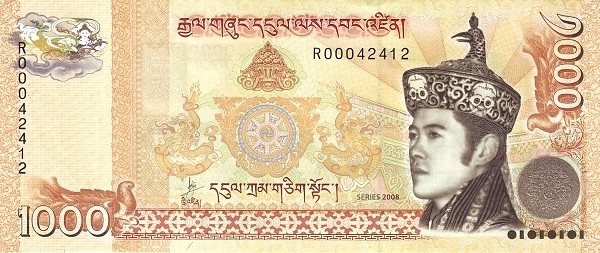
Bhutanese Ngultrum2008BTN10002015BTN1002013BTN102013BTN12013BTN202015BTN5002013BTN502015BTN5
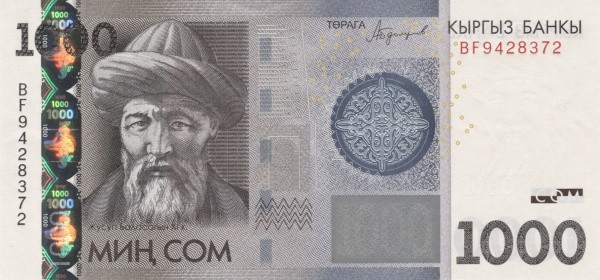
Kyrgyzstani Som2016KGS10002016KGS1002016KGS2002009KGS202009KGS50002016KGS5002016KGS50
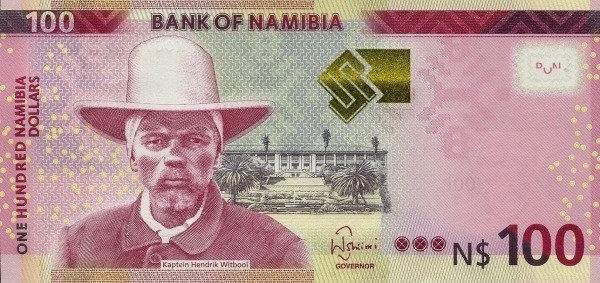
Namibian Dollar2012NAD1002015NAD102012NAD2002015NAD202012NAD50
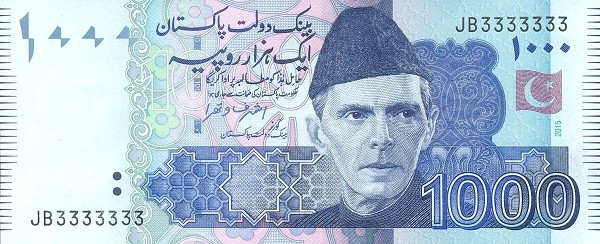
The Pakistani rupee is the currency of Pakistan and an unofficial one in Afghanistan. It is divided into 100 paise, but coins denominated in paise have not been issued since 1994. The Pakistani rupee is the ninth-most traded currency in the world as of April 2019. It is pegged to the
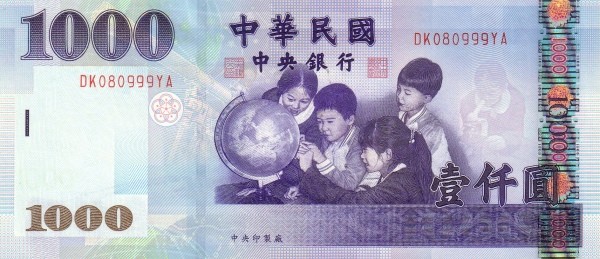
Taiwan New Dollar2004TWD10002000TWD1002001TWD20002001TWD2002004TWD500
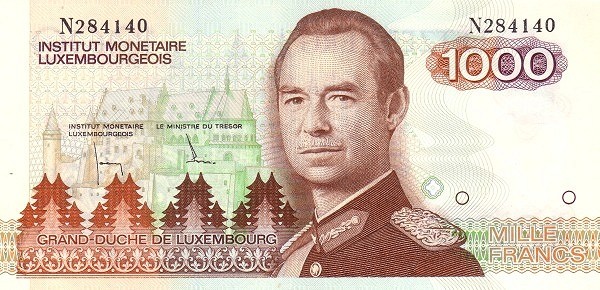
The Luxembourg franc was the currency of Luxembourg from 1854 to 2002, except from 1941 to 1944, when it was replaced by the German Reichsmark during the Nazi occupation. The Luxembourg franc was initially equal to the Belgian franc, and both currencies were part of the Latin Monetar
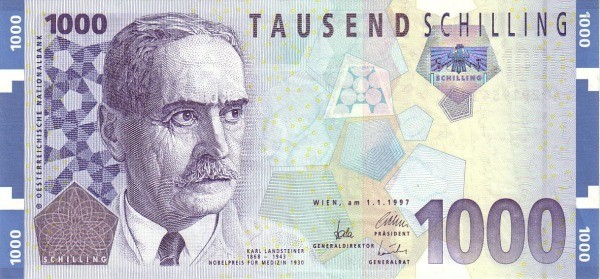
The Austrian Schilling was the official currency of Austria for over 60 years, from 1925 to 2002. It was introduced to replace the Austro-Hungarian krone after World War I and was later replaced by the Euro. During its time as the national currency, it underwent several changes in design and value, including a major revaluation in 1947. The Schilling was widely used in Austria and was also accepted in some neighboring countries, such as Germany and Italy. Today, it is a relic of the past and is
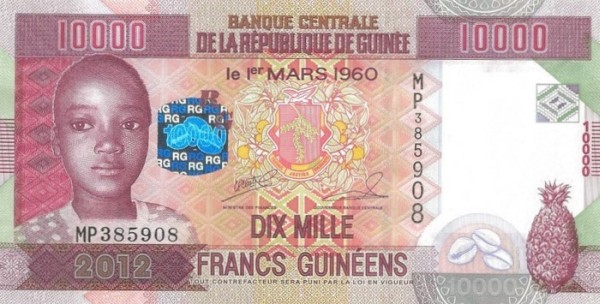
Guinean Franc2012GNF100002015GNF10002015GNF1002015GNF200002015GNF50002015GNF500