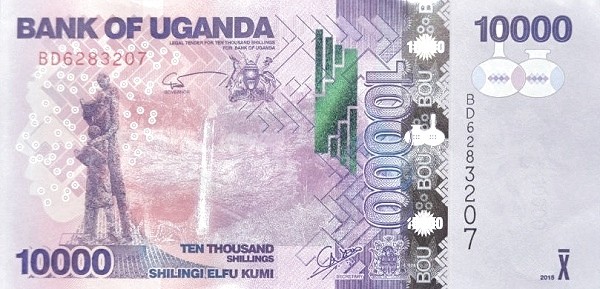
Ugandan Shilling2015UGX100002015UGX10002015UGX200002015UGX20002013UGX500002015UGX5000
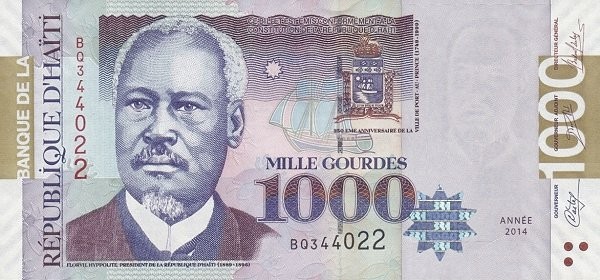
Haitian Gourde2014HTG10002014HTG1002013HTG102014HTG2502004HTG252014HTG5002014HTG50
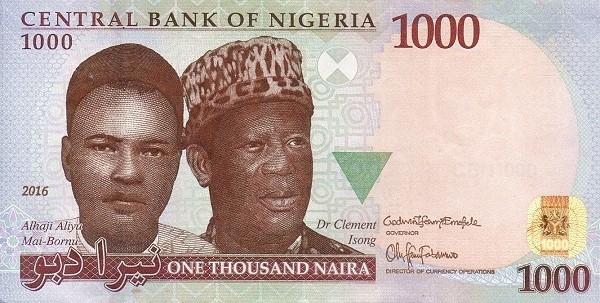
Nigerian Naira2016NGN10002014NGN1002016NGN102016NGN2002016NGN202015NGN5002016NGN502015NGN5
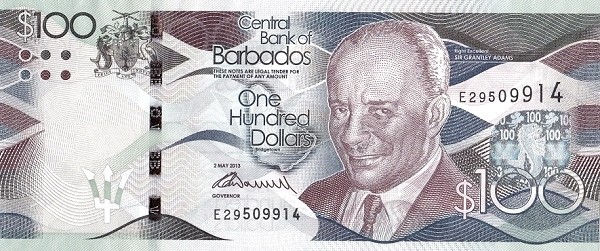
Barbadian Dollar2013BBD1002013BBD102013BBD202013BBD22013BBD502013BBD5
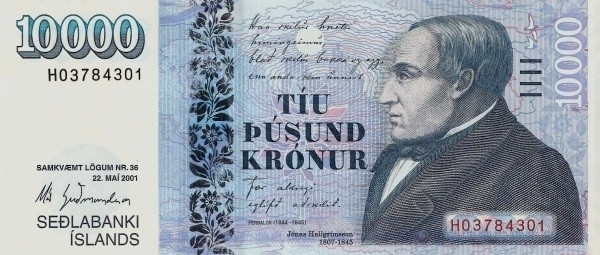
Icelandic Krona2001ISK100002001ISK10002001ISK50002001ISK500
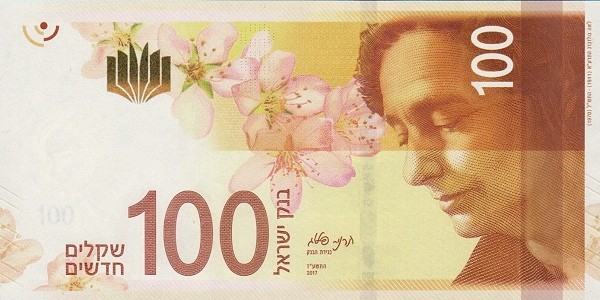
Israeli New Shekel2017ILS1002015ILS2002017ILS202014ILS50
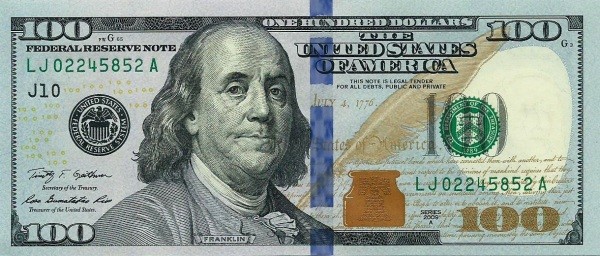
The US Dollar is the currency of the United States of America and several other countries and territories. It is also the most widely used currency in international trade and finance, and the main reserve currency of the world. Here is a brief introduction of the US Dollar:The US Dollar was
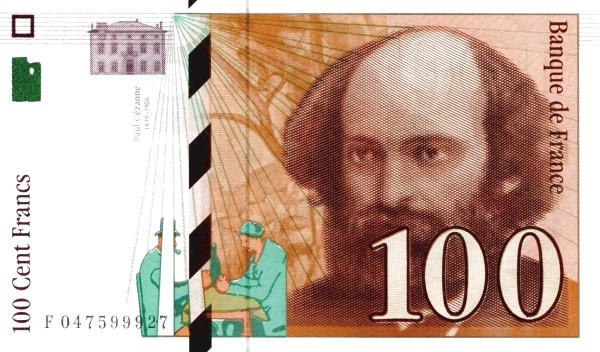
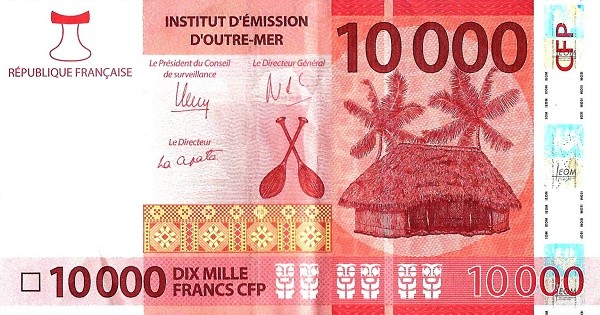
The French Franc was the official currency of France from 1795 until it was replaced by the Euro in 2002. This historical currency played a significant role in the French economy and had a rich history.
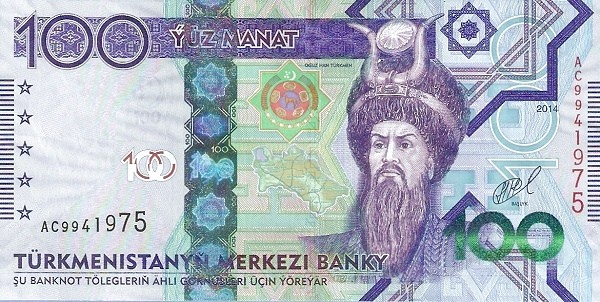
The Turkmenistani manat is the official currency of Turkmenistan. It was introduced in 1993 to replace the Russian ruble. The manat is divided into 100 tenge and is available in both coins and banknotes. The Central Bank of Turkmenistan is responsible for regulating the supply and circulation of the manat. The exchange rate of the manat is fixed by the government, and it is not freely convertible. The use of foreign currencies for transactions within Turkmenistan is strictly regulated, and the g