The Labor Department reported Wednesday that its producer price index — which measures inflation before it hits consumers — dropped 0.5% in October from September, the first decline since May and bigg...
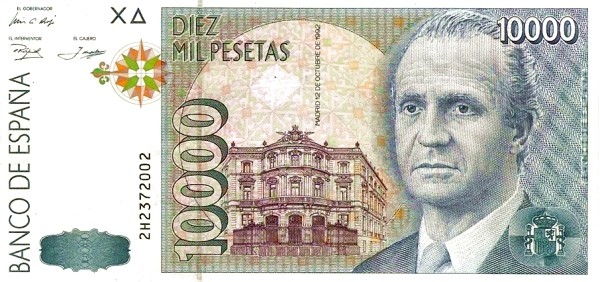
The Spanish Peseta was the official currency of Spain from 1869 to 2002. It was introduced as a replacement for the Spanish Real and remained in circulation for over a century. The Peseta was divided into 100 centimos and had various denominations, including coins and banknotes.
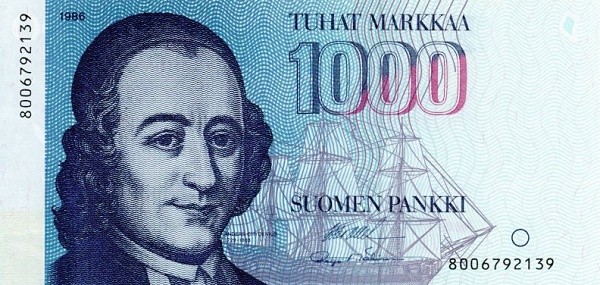
The Finnish Markka was the official currency of Finland until it was replaced by the Euro in 2002. The Markka had a long and rich history, dating back to the 19th century when it was introduced as Finland's currency during the Russian Empire. Despite its eventual replacement, the Markka remains an important symbol of Finnish identity and history. The currency was known for its unique designs and denominations, which included notes featuring famous Finnish cultural figures and landmarks. Tod
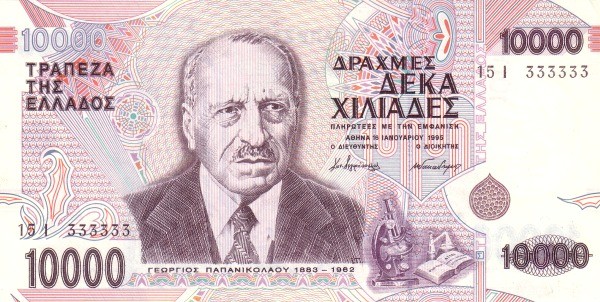
Greek DrachmaThe Greek Drachma was the name of the currency used in ancient and modern Greece. It has a long and rich history, spanning from the 6th century BC to the 21st century AD. Here is a brief introduction of the Greek Drachma:The ancient drachma was an ancient Greek currency unit issued by m
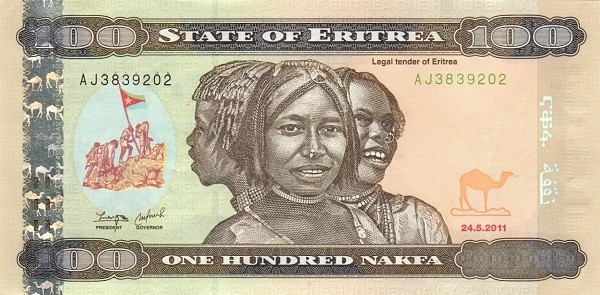
Eritrean Nakfa2011ERN1002015ERN102015ERN12015ERN202015ERN502015ERN5
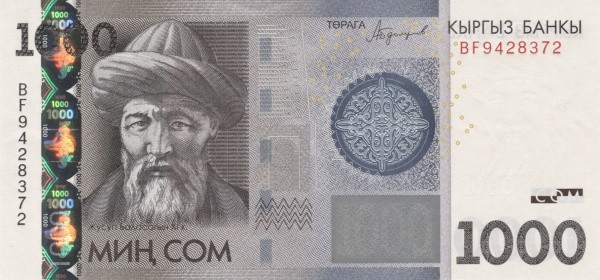
Kyrgyzstani Som2016KGS10002016KGS1002016KGS2002009KGS202009KGS50002016KGS5002016KGS50
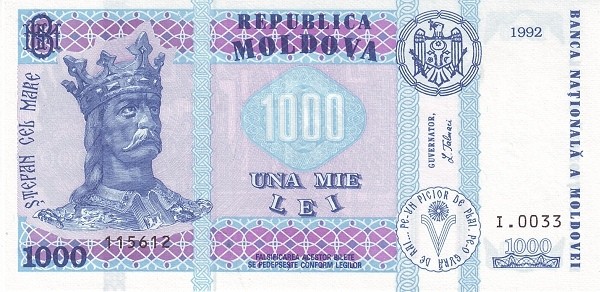
Moldovan Leu1992MDL10002015MDL1002015MDL102015MDL12015MDL2002015MDL202015MDL5002013MDL502015MDL5
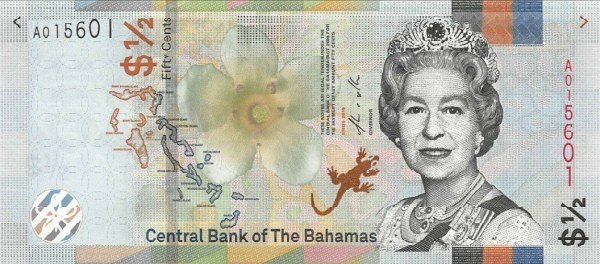
Bahamian Dollar2019BSD0-52021BSD1002016BSD102017BSD12018BSD202019BSD32019BSD502020BSD5
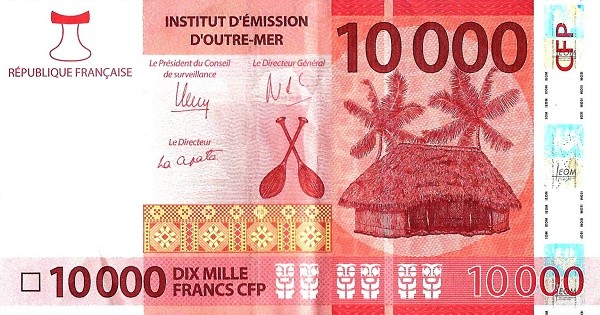
CFP Franc2014XPF100002014XPF10002014XPF50002014XPF500