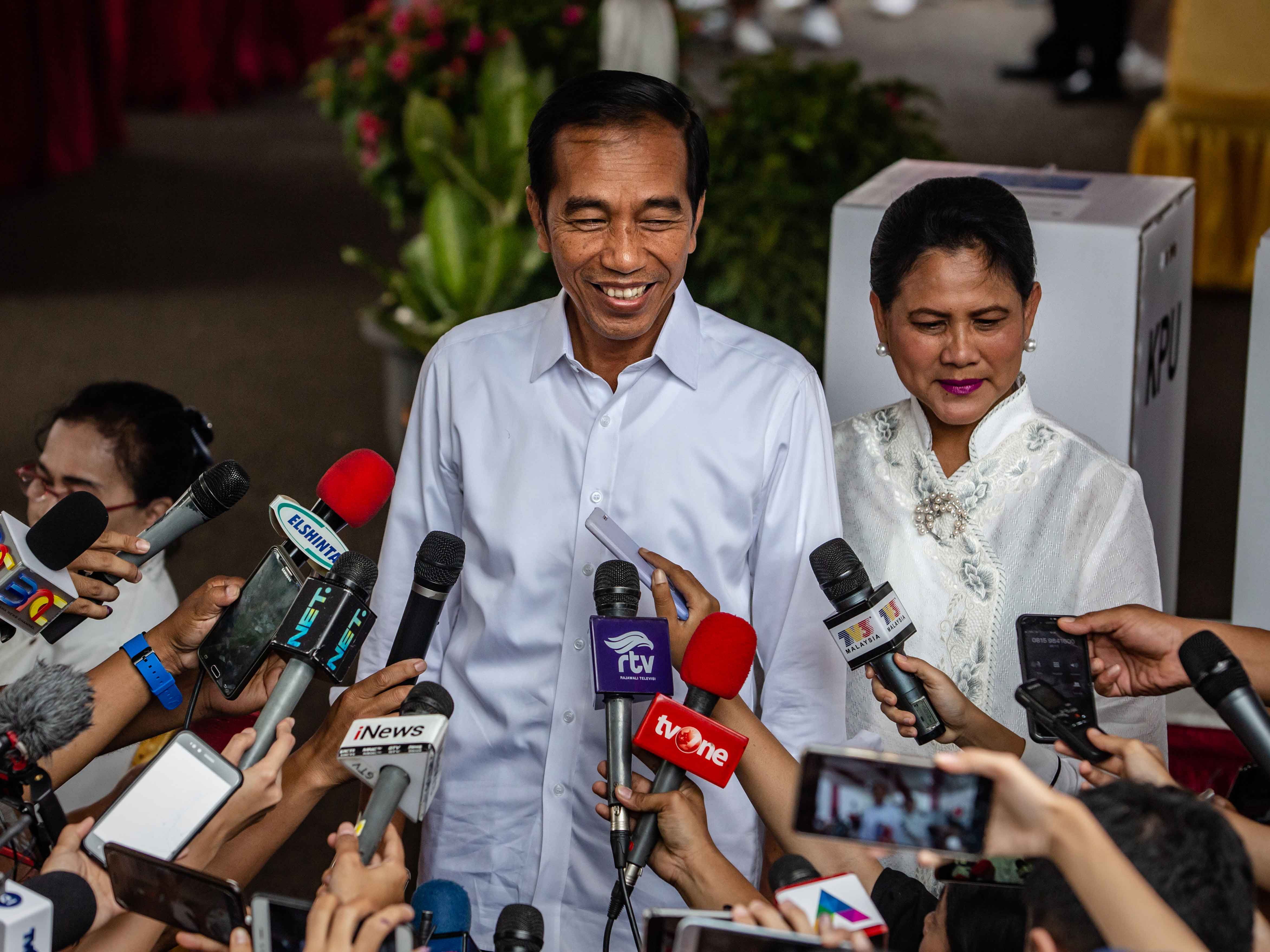
Indonesian President Joko Widodo and his wife Iriana after voting in the 2019 election. Jokowi won a second term with 55.5 percent of the voteFeatured|Markets|Special reportsAuthor:Elizabeth Matsangou...
Options and futures are two types of financial contracts that allow investors to trade various assets, such as stocks, commodities, currencies, and indices, at a predetermined price and date in the future.However, there are some key differences between options and futures that investors should
When considering long-term investment options, it is important to carefully evaluate and select funds that are suitable for your specific financial goals and risk tolerance. Long-term investing involves holding onto investments for an extended period of time, typically five years or more, with the a
If your bank fails, the first thing to keep in mind is that you won’t lose all your deposits. TheFederal Deposit Insurance Corp. (FDIC)insures bank accounts up to $250,000 per depositor, per account c...
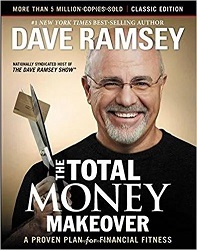
Personal Finance Book RecommendationsAs a professional financial advisor, I am often asked for recommendations on books that can help individuals gain a better understanding of personal finance. It is no secret that managing money effectively is a crucial skill that can greatly impact one'
Money creation is a complex process that involves various actors and institutions. Banks, in particular, play a crucial role in this process, as they are the ones responsible for creating most of the money in circulation. In this article, we will explore the process of money creation by banks and pr
The FAS has ruled Apple fixed prices on the majority of its latest smartphonesLegal|StrategyAuthor:Kim DarrahTop 5Top 5 forces that will shape international finance in 2023Top 5 female-fronted fintech...
Spot and futures markets are two different ways of trading various assets, such as commodities, currencies, indices, and stocks. They have some similarities, but also some key differences that traders should be aware of. Here are some of the main differences and links between spot and futures market
Futures are contracts that obligate the buyer or seller to exchange an asset or commodity at a specified future date and price. They are used for hedging, speculation, and arbitrage purposes in the global market. Futures can be based on various underlying assets, such as currencies, commodities, ind